
Arsip Penulis: Nirjablangbaro
i love reading♥️🌎
The History of Aceh: Tracing the Rich Tapestry of Indonesia’s Northern Jewel
The History of Aceh: Tracing the Rich Tapestry of Indonesia’s Northern Jewel
Nestled on the northern tip of Sumatra, Aceh stands as a testament to Indonesia’s rich and diverse history. From ancient maritime trade routes to Islamic kingdoms and colonial conquests, the province has been shaped by a myriad of influences that have left an indelible mark on its cultural landscape. Let’s embark on a journey through time to uncover the captivating history of Aceh.
Early Civilizations and Maritime Trade:
Aceh’s history dates back to antiquity, with evidence of early settlements dating as far back as the 7th century. As a strategic location along the ancient maritime trade routes, Aceh flourished as a bustling trading hub, attracting merchants from China, India, Arabia, and beyond. The region’s prosperity was fueled by its abundant natural resources, including gold, spices, and timber, which were highly sought after in the international market.
The Rise of Islamic Kingdoms:
Aceh’s transformation into a center of Islamic civilization began in the 13th century with the arrival of Muslim traders and missionaries. By the 16th century, Aceh had emerged as one of the most powerful Islamic kingdoms in Southeast Asia, ruling over a vast territory that encompassed present-day Sumatra and parts of the Malay Peninsula. Under the rule of Sultan Iskandar Muda (1607-1636), Aceh reached its zenith, boasting a formidable navy and a flourishing economy.
Resistance Against Colonialism:
The 19th century brought significant challenges to Aceh as European colonial powers sought to expand their influence in the region. The Dutch East India Company (VOC) launched a series of military campaigns to subjugate Aceh and control its lucrative trade routes. However, the Acehnese fiercely resisted Dutch colonialism, leading to a protracted conflict known as the Aceh War (1873-1904). Despite facing overwhelming odds, the Acehnese waged a valiant struggle for independence, earning admiration for their courage and resilience.
Modern Era and Tsunami Disaster:
In the 20th century, Aceh witnessed a period of political upheaval and social transformation. The province played a pivotal role in Indonesia’s struggle for independence from Dutch colonial rule and later experienced periods of insurgency and conflict. However, Aceh’s resilience was put to the test once again in 2004 when a devastating earthquake and tsunami struck the region, claiming the lives of thousands and causing widespread destruction. The disaster prompted an international humanitarian response and spurred efforts to rebuild Aceh’s infrastructure and communities.
Cultural Heritage and Identity:
Despite the challenges it has faced throughout history, Aceh has preserved its rich cultural heritage and distinct identity. The province is renowned for its traditional arts, including music, dance, and craftsmanship, which reflect the diversity and resilience of its people. Additionally, Aceh’s adherence to Islamic traditions and customs has played a central role in shaping its cultural landscape and societal norms.
Conclusion:
The history of Aceh is a testament to the enduring spirit of its people and the dynamic forces that have shaped its destiny. From its early days as a maritime trading center to its struggles against colonialism and natural disasters, Aceh’s journey is a reflection of Indonesia’s diverse and complex history. As Aceh continues to navigate the challenges of the modern era, its rich tapestry of culture, tradition, and resilience remains a source of inspiration for generations to come.
Nestled on the northern tip of Sumatra, Aceh stands as a testament to Indonesia’s rich and diverse history. From ancient maritime trade routes to Islamic kingdoms and colonial conquests, the province has been shaped by a myriad of influences that have left an indelible mark on its cultural landscape. Let’s embark on a journey through time to uncover the captivating history of Aceh.
Early Civilizations and Maritime Trade:
Aceh’s history dates back to antiquity, with evidence of early settlements dating as far back as the 7th century. As a strategic location along the ancient maritime trade routes, Aceh flourished as a bustling trading hub, attracting merchants from China, India, Arabia, and beyond. The region’s prosperity was fueled by its abundant natural resources, including gold, spices, and timber, which were highly sought after in the international market.
The Rise of Islamic Kingdoms:
Aceh’s transformation into a center of Islamic civilization began in the 13th century with the arrival of Muslim traders and missionaries. By the 16th century, Aceh had emerged as one of the most powerful Islamic kingdoms in Southeast Asia, ruling over a vast territory that encompassed present-day Sumatra and parts of the Malay Peninsula. Under the rule of Sultan Iskandar Muda (1607-1636), Aceh reached its zenith, boasting a formidable navy and a flourishing economy.
Resistance Against Colonialism:
The 19th century brought significant challenges to Aceh as European colonial powers sought to expand their influence in the region. The Dutch East India Company (VOC) launched a series of military campaigns to subjugate Aceh and control its lucrative trade routes. However, the Acehnese fiercely resisted Dutch colonialism, leading to a protracted conflict known as the Aceh War (1873-1904). Despite facing overwhelming odds, the Acehnese waged a valiant struggle for independence, earning admiration for their courage and resilience.
Modern Era and Tsunami Disaster:
In the 20th century, Aceh witnessed a period of political upheaval and social transformation. The province played a pivotal role in Indonesia’s struggle for independence from Dutch colonial rule and later experienced periods of insurgency and conflict. However, Aceh’s resilience was put to the test once again in 2004 when a devastating earthquake and tsunami struck the region, claiming the lives of thousands and causing widespread destruction. The disaster prompted an international humanitarian response and spurred efforts to rebuild Aceh’s infrastructure and communities.
Cultural Heritage and Identity:
Despite the challenges it has faced throughout history, Aceh has preserved its rich cultural heritage and distinct identity. The province is renowned for its traditional arts, including music, dance, and craftsmanship, which reflect the diversity and resilience of its people. Additionally, Aceh’s adherence to Islamic traditions and customs has played a central role in shaping its cultural landscape and societal norms.
Conclusion:
The history of Aceh is a testament to the enduring spirit of its people and the dynamic forces that have shaped its destiny. From its early days as a maritime trading center to its struggles against colonialism and natural disasters, Aceh’s journey is a reflection of Indonesia’s diverse and complex history. As Aceh continues to navigate the challenges of the modern era, its rich tapestry of culture, tradition, and resilience remains a source of inspiration for generations to come.
How to sleep better?

Getting a good night’s sleep is essential for overall well-being and productivity. If you find yourself struggling to fall asleep easily, implementing a few key practices can make a significant difference. Here are some tips to help you achieve a more restful night:
- Create a Consistent Sleep Schedule:
Maintain a regular sleep-wake cycle by going to bed and waking up at the same time every day, even on weekends. This helps regulate your body’s internal clock, making it easier to fall asleep and wake up naturally. - Design a Relaxing Bedtime Routine:
Develop a calming pre-sleep routine to signal to your body that it’s time to wind down. This could include activities like reading a book, taking a warm bath, or practicing relaxation techniques such as deep breathing. - Optimize Your Sleep Environment:
Ensure your bedroom is conducive to sleep. Keep it dark, quiet, and cool, and invest in a comfortable mattress and pillows. Consider using blackout curtains and earplugs to minimize disruptions. - Limit Screen Time Before Bed:
The blue light emitted by screens can interfere with your body’s production of melatonin, a hormone that regulates sleep. Turn off electronic devices at least an hour before bedtime to promote better sleep quality. - Watch Your Diet:
Avoid consuming stimulants like caffeine and nicotine close to bedtime. Additionally, try not to go to bed hungry or overly full. Opt for a light, balanced snack if you’re hungry before bedtime. - Exercise Regularly:
Engaging in regular physical activity can contribute to better sleep. However, try to finish your workout at least a few hours before bedtime to allow your body to wind down. - Manage Stress:
Practice stress-reducing techniques, such as meditation or gentle yoga, to help relax your mind and body. Chronic stress can significantly impact sleep, so finding effective ways to manage it is crucial. - Limit Naps:
While short naps can be beneficial, avoid napping for extended periods or too close to bedtime, as it can interfere with nighttime sleep. - Create a Comfortable Sleep Environment:
Invest in a comfortable mattress and pillows to support a good night’s sleep. Consider factors like room temperature, lighting, and noise levels to optimize your sleep environment. - Seek Professional Help if Needed:
If sleep difficulties persist, consult a healthcare professional. They can help identify any underlying issues and provide guidance on potential treatments or interventions.
By incorporating these tips into your daily routine, you can establish healthier sleep habits and increase the likelihood of falling asleep more easily. Remember that consistency is key when it comes to improving sleep quality.
The bombing of Hiroshima and Nagasaki🇯🇵 by the United States🇺🇲 in ww2 is this humane🤯?

On August 6 and 9, 1945, the United States dropped atomic bombs on the Japanese cities of Hiroshima and Nagasaki, respectively. The bombings remain controversial to this day, with many questioning the morality and necessity of using such devastating weapons.
The decision to drop the atomic bombs was made by President Harry S. Truman, who had only been in office for a few months following the death of President Franklin D. Roosevelt. Truman was faced with the daunting task of ending World War II, which had been raging for years and had already claimed countless lives.
The Manhattan Project, a top-secret initiative to develop atomic weapons, had been underway for several years prior to Truman taking office. The project had been spearheaded by scientists such as Robert Oppenheimer, who famously said after the first successful test of an atomic bomb, “Now I am become Death, the destroyer of worlds.”
Truman authorized the use of the bombs, citing the need to end the war quickly and save American lives. The bombs, nicknamed “Little Boy” and “Fat Man,” were dropped on Hiroshima and Nagasaki, respectively. The immediate death toll was estimated to be around 200,000 people, with many more dying from the after-effects of radiation exposure in the following years.
The bombings are widely considered to have been a turning point in World War II, leading to Japan’s surrender and the end of the war. However, many argue that the bombings were unnecessary and even immoral, as Japan was already on the brink of surrender and had been seeking peace negotiations.
The bombings also sparked a global arms race and the development of even more powerful and destructive weapons, leading to a heightened sense of fear and anxiety during the Cold War era.
In recent years, there have been calls for the United States to formally apologize for the bombings and acknowledge the devastating impact they had on the Japanese people. However, there are also those who argue that the bombings were necessary to bring an end to the war and prevent even greater loss of life.
Regardless of one’s stance on the issue, the bombings of Hiroshima and Nagasaki remain a tragic and controversial event in human history, serving as a stark reminder of the devastating consequences of war and the importance of seeking peaceful solutions to conflicts.
Want to holiday🏖️? Introducing this is a Swiss🇨🇭 fairyland, maybe it’s right for you
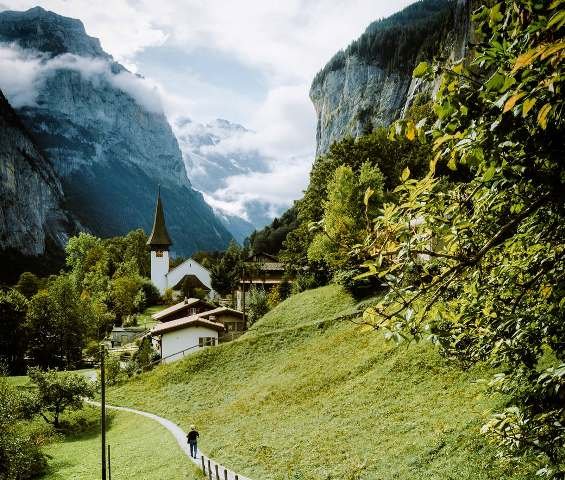
Switzerland, also known as the Swiss Confederation, is a landlocked country located in central Europe. With its breathtaking landscapes, diverse cultures, and rich history, Switzerland is a true gem of Europe. Here are some of the enchanting aspects of Switzerland that make it a must-visit destination.
Scenic beauty
Switzerland is blessed with stunning natural scenery that captivates visitors with its charm. The snow-capped peaks of the Swiss Alps, sparkling lakes, and lush green valleys are a few examples of Switzerland’s picturesque landscapes. Exploring Switzerland’s landscape is an unforgettable experience, whether you’re hiking in the mountains, skiing down the slopes, or taking a scenic train ride.
Cultural diversity
Switzerland has four official languages: German, French, Italian, and Romansh. Each language group has its unique culture and traditions. Switzerland’s multiculturalism is reflected in its vibrant arts and entertainment scene, museums, and culinary traditions. The country’s diverse cultural heritage is a treasure trove for those who love exploring different cultures.
Historical significance
Switzerland has a rich history that dates back to the Roman era. The country’s architecture, landmarks, and museums are a testament to its cultural and historical significance. The Old Towns of cities like Zurich, Bern, and Geneva are UNESCO World Heritage Sites, and they offer a glimpse into Switzerland’s past.
Outdoor activities
Switzerland is a paradise for adventure enthusiasts. With its alpine landscapes and diverse terrain, the country offers a wide range of outdoor activities. Skiing, snowboarding, hiking, mountain biking, paragliding, and water sports are just a few of the activities you can enjoy in Switzerland.
Sustainable tourism
Switzerland is a leader in sustainable tourism practices. The country’s tourism industry is committed to preserving its natural and cultural heritage. The Swiss government, along with local businesses, has implemented policies that promote responsible tourism, such as reducing carbon emissions, conserving water, and supporting local communities.
In conclusion, Switzerland is a captivating destination that offers something for everyone. From its scenic beauty to its cultural diversity and historical significance, Switzerland is a treasure trove of experiences. Whether you’re an adventure seeker or a culture buff, Switzerland has something to offer. So, plan your trip to Switzerland and discover its enchanting beauty.
Trouble sleeping 🛌 do these 5 ways💡

Sleep is essential to maintaining good health and a productive lifestyle. However, many people find it difficult to fall asleep, and insomnia has become a common issue. If you struggle with getting a good night’s rest, here are five ways to easily fall asleep:
- Stick to a Sleep Schedule
Your body has an internal clock, and it prefers consistency. By going to bed and waking up at the same time every day, you can help regulate your sleep cycle. It may take a few weeks to establish a routine, but it can make a significant difference in the quality of your sleep.
- Create a Sleep-Friendly Environment
The environment in which you sleep can greatly impact your ability to fall asleep. A quiet, dark, and cool room is ideal for promoting sleep. Consider using blackout curtains, earplugs, or a white noise machine to block out any distractions.
- Avoid Stimulants Before Bedtime
Stimulants such as caffeine, nicotine, and alcohol can interfere with your sleep. It’s best to avoid consuming them at least four to six hours before bedtime. Instead, consider drinking chamomile tea or warm milk, which can promote relaxation and improve sleep quality.
- Practice Relaxation Techniques
Stress and anxiety can keep you up at night. Practicing relaxation techniques, such as deep breathing or meditation, can help calm your mind and promote relaxation. You can also try yoga or stretching exercises to help release tension in your body.
- Use Sleep Aids
If all else fails, you can consider using sleep aids, such as over-the-counter medications or natural supplements like melatonin. However, it’s essential to talk to your doctor before using any sleep aids, especially if you have any underlying medical conditions or are taking any other medications.
In conclusion, falling asleep may not come easily to everyone, but with the right habits and techniques, it’s possible to achieve a good night’s rest. By establishing a sleep schedule, creating a sleep-friendly environment, avoiding stimulants before bedtime, practicing relaxation techniques, and using sleep aids if necessary, you can improve the quality of your sleep and wake up feeling refreshed and energized.
Unsolved Murder Case, 37 Victims😲 Want To Know☠️?
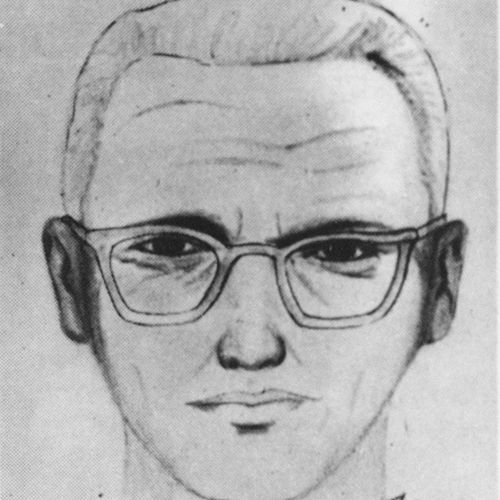
The Zodiac Killer
The Zodiac Killer was a serial killer who operated in Northern California in the late 1960s and early 1970s. The killer’s identity has never been confirmed, and the case remains one of the most infamous unsolved mysteries in American criminal history.
The Zodiac Killer’s first known murder was in December 1968. His victim was a high school student named David Faraday, who was on a date with his girlfriend Betty Lou Jensen. The killer shot them both while they were sitting in their car. The following July, the Zodiac Killer struck again, killing Darlene Ferrin and severely injuring her companion Michael Mageau.
Over the next two years, the Zodiac Killer sent a series of cryptic letters to newspapers and police departments, taunting law enforcement and claiming responsibility for several murders. The letters included a series of ciphers, some of which have never been solved. The Zodiac Killer even threatened to shoot schoolchildren on a school bus.
The Zodiac Killer’s final known murder was in October 1969, when he killed a cab driver named Paul Stine. After that, the killer disappeared, but he continued to send letters and ciphers for several years. In one letter, he claimed to have killed 37 people, although only five murders have been definitively linked to him.
The identity of the Zodiac Killer remains a mystery. Several suspects have been proposed over the years, but none have been conclusively proven. The case remains open, and the San Francisco Police Department still receives tips and leads from the public.
The Zodiac Killer has inspired numerous books, movies, and TV shows over the years. His cryptic ciphers and taunting letters have captivated the public’s imagination and have made him one of the most notorious serial killers in American history.
How Germany🇩🇪 Fared After World War II ?

The aftermath of World War II brought about significant changes for Germany. The country was left in ruins, both physically and economically, and its people were struggling to rebuild their lives. In this article, we will explore how Germany fared after World War II and the factors that contributed to its eventual recovery.
One of the most significant changes that occurred after the war was the division of Germany. The country was split into two: West Germany, which was occupied by the United States, Great Britain, and France, and East Germany, which was occupied by the Soviet Union. The division of Germany had a profound impact on its people and their way of life.
In West Germany, the occupying forces implemented a series of economic reforms aimed at rebuilding the country’s infrastructure and restoring its economy. These reforms included the introduction of a new currency, the Deutsche Mark, which helped to stabilize the country’s finances. Additionally, the occupying forces invested heavily in West Germany’s manufacturing industry, which helped to create jobs and stimulate economic growth.
In East Germany, however, the Soviet Union implemented a different approach. The country was placed under a command economy, where the government controlled all aspects of the economy. While this approach led to some initial economic growth, it was not sustainable in the long run. The country became heavily dependent on Soviet aid and was unable to compete with West Germany’s booming economy.
Another significant factor that contributed to Germany’s recovery was the implementation of the Marshall Plan. The Marshall Plan was a U.S. initiative aimed at rebuilding Europe after the war. Germany was one of the largest recipients of aid, which helped to rebuild its infrastructure, industries, and institutions. The Marshall Plan played a crucial role in Germany’s economic recovery and its eventual emergence as a world economic power.
Despite the significant progress made in the post-war period, Germany’s recovery was not without challenges. The country had to grapple with the legacy of the war, including the Holocaust and its role in starting the conflict. Additionally, the division of the country led to significant social and political tensions, culminating in the construction of the Berlin Wall in 1961.
However, Germany was able to overcome these challenges and emerge as a prosperous and influential nation. The country’s reunification in 1990 marked the end of the Cold War and a new chapter in Germany’s history. Today, Germany is the largest economy in Europe and plays a significant role in shaping the continent’s political and economic future.
In conclusion, Germany’s fate after World War II was uncertain. The country was left in ruins and had to grapple with significant challenges. However, through a combination of economic reforms, aid, and perseverance, Germany was able to recover and emerge as a prosperous and influential nation. The country’s story is a testament to the resilience of its people and the power of international cooperation.
Do you want to keep your body healthy, do these 7 ways❤️

Maintaining good health is crucial to living a fulfilling life. However, with our busy schedules and hectic lifestyles, it can be challenging to prioritize our health. Here are seven ways to help you maintain good health:
- Exercise regularly: Regular physical activity has numerous health benefits, including improving heart health, strengthening muscles, and reducing the risk of chronic diseases. Aim for at least 30 minutes of moderate-intensity exercise each day.
- Eat a balanced diet: Eating a balanced diet rich in fruits, vegetables, whole grains, and lean proteins can help you maintain a healthy weight, boost your immune system, and reduce the risk of chronic diseases.
- Get enough sleep: Sleep is essential for our physical and mental health. Getting adequate sleep can help improve memory and mood, reduce stress, and boost your immune system.
- Manage stress: Chronic stress can have adverse effects on our health, including increasing the risk of heart disease, depression, and anxiety. Find healthy ways to manage stress, such as exercise, meditation, or spending time with loved ones.
- Stay hydrated: Drinking enough water is essential for our bodies to function correctly. Aim for at least eight glasses of water per day.
- Avoid smoking and excessive drinking: Smoking and excessive drinking can have severe health consequences, including an increased risk of cancer, heart disease, and liver damage.
- Get regular check-ups: Regular check-ups with your healthcare provider can help you stay on top of any health issues and catch any potential problems early.
In conclusion, maintaining good health is essential to living a happy and fulfilling life. By incorporating these seven habits into your daily routine, you can improve your overall health and well-being. Remember, small changes can make a big difference. Start taking steps towards a healthier lifestyle today!
What are the causes of world war 2⚔️

World War II was one of the deadliest conflicts in human history, causing the deaths of tens of millions of people and leaving a profound impact on the world. The war lasted from 1939 to 1945, and it was fought between the Axis powers (led by Germany, Italy, and Japan) and the Allies (led by the United States, Great Britain, and the Soviet Union). The causes of World War II are complex and multifaceted, but several key factors contributed to its outbreak.
One of the main causes of World War II was the Treaty of Versailles, which was signed at the end of World War I. The treaty imposed harsh penalties on Germany, including substantial reparations payments and the loss of territory. Many Germans resented the treaty, which they believed was unfair and humiliating. This resentment contributed to the rise of Adolf Hitler and the Nazi Party, which promised to restore Germany’s greatness and overturn the terms of the Treaty of Versailles.
Another significant factor in the outbreak of World War II was the policy of appeasement pursued by Britain and France in the 1930s. In an effort to avoid war, these countries adopted a policy of giving in to Hitler’s demands, hoping that this would satisfy him and prevent further aggression. However, this policy only emboldened Hitler and led him to believe that he could act with impunity.
The failure of the League of Nations was also a contributing factor to the outbreak of World War II. The League was established after World War I to prevent future conflicts, but it was unable to stop the aggressive actions of countries like Italy and Japan in the 1930s. The League’s weakness and ineffectiveness undermined its credibility and paved the way for the outbreak of war.
The rise of militarism in Japan was another factor that contributed to the outbreak of World War II. In the 1930s, Japan embarked on a policy of aggressive expansionism in Asia, seeking to establish itself as a dominant power in the region. This policy brought Japan into conflict with other countries, particularly the United States.
Finally, the failure of appeasement and the inability of the international community to prevent Hitler’s aggression led to the outbreak of war. In 1939, Hitler invaded Poland, prompting Britain and France to declare war on Germany. The war quickly spread throughout Europe and eventually engulfed much of the world.
In conclusion, the causes of World War II were complex and multifaceted, but they included the Treaty of Versailles, the policy of appeasement, the failure of the League of Nations, the rise of militarism in Japan, and the failure of the international community to prevent Hitler’s aggression. These factors combined to create a volatile and dangerous situation that ultimately led to one of the deadliest conflicts in human history.
 NirBOOK